

Children spend most of their time in their room, where they sleep, play or retreat to study. Their parents are often unaware of how heavily contaminated with pollutants these rooms can be. They can come from floors, furniture, textiles or plastic toys, for example. Pollutants in children’s rooms can affect their health and development.
Dust
Tightening of asbestos limits – health protection

On October 23, 2023, the Council of the European Union approved a new EU directive to prevent and improve the health protection of workers from possible exposure to asbestos and other pollutants at the workplace. The new regulations also include new rules such as stricter asbestos limit values and modern measurement techniques to protect and the prevention of asbestos hazards.
Saharan dust – fine dust pollution

Large quantities of Saharan dust, which traveled thousands of kilometers from North Africa across the Atlantic to Europe, shaped this year’s Easter weather. The desert dust not only frequently led to very cloudy skies, but also to high levels of particulate matter pollution in Germany and other parts of Europe.
PVC floor coverings – contaminated with harmful substances
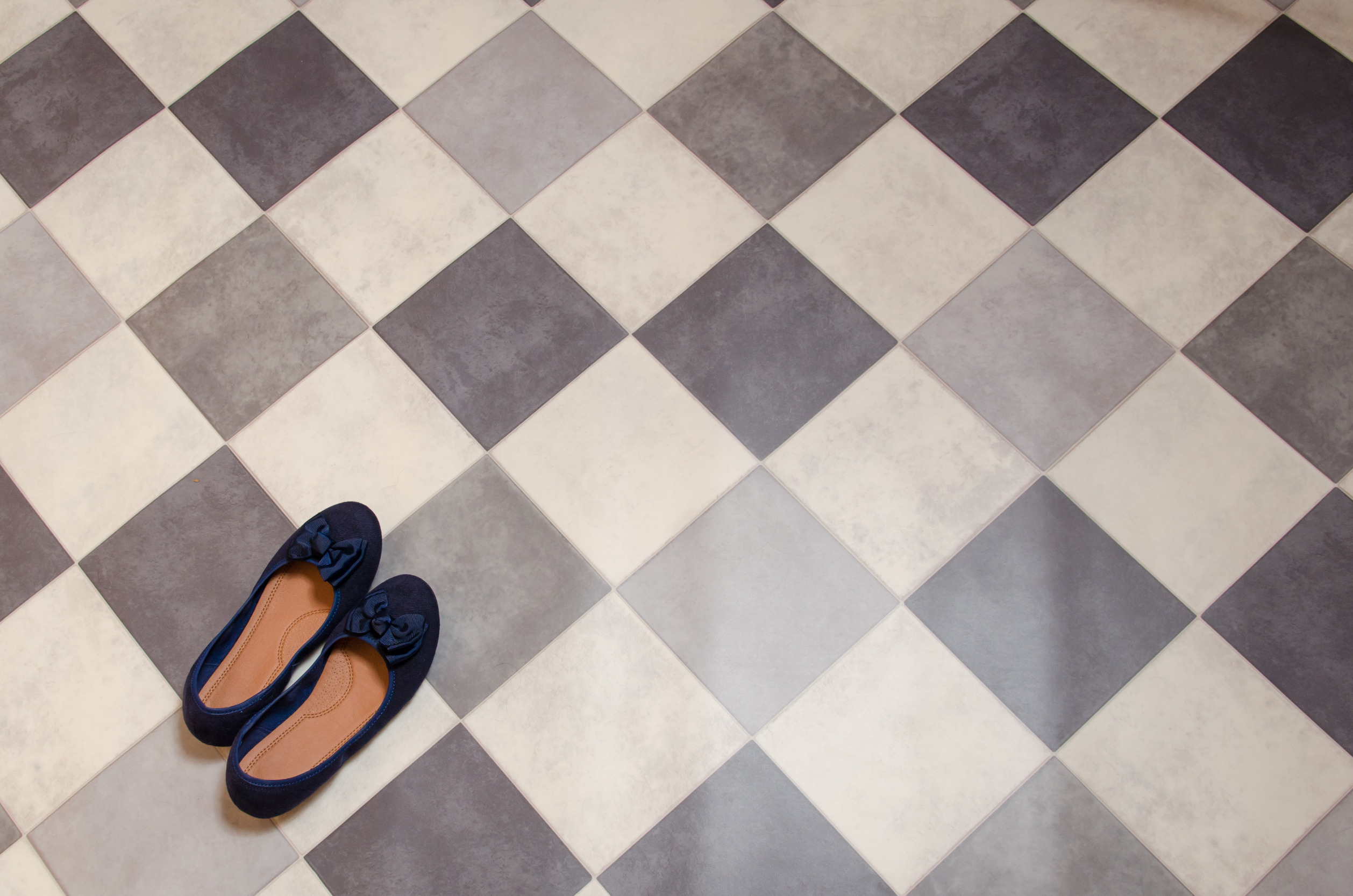
PVC floor coverings are considered to be quite inexpensive and easy-care “all-rounders” that are available in many variants. However, they are not without their problems and are often contaminated with pollutants. They almost deceptively imitate other floors made of wood, stone and other materials. PVC floors are now less contaminated with harmful substances than was the case decades ago. Nevertheless, PVC floor coverings can contain critical substances that can outgas in the air. Some of these pollutants are considered carcinogenic and are also harmful to the environment.
Adhesives containing PAHs in old parquet floors
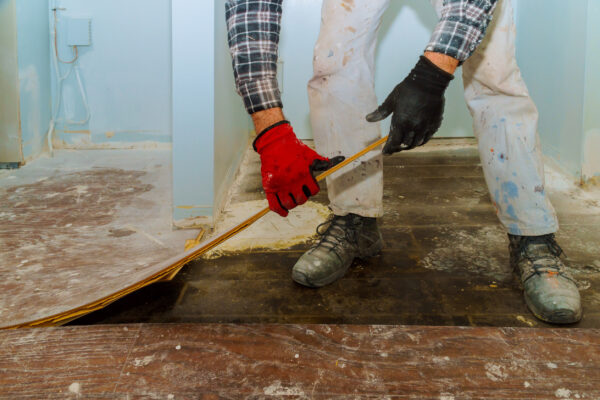
Pollutants from PAHs-containing adhesives in parquet flooring can be released into the indoor air through wear and tear or during parquet work and settle in house dust. PAHs (polycyclic aromatic hydrocarbons) are carcinogenic pollutants that are particularly dangerous to health. Parquet floors are considered to be allergy-friendly, as they are generally easy to clean and do not absorb dust. New parquet floors are no longer laid with adhesives containing PAHs, but with substitutes that are harmless to health.
Air pollutants in small combustion plants
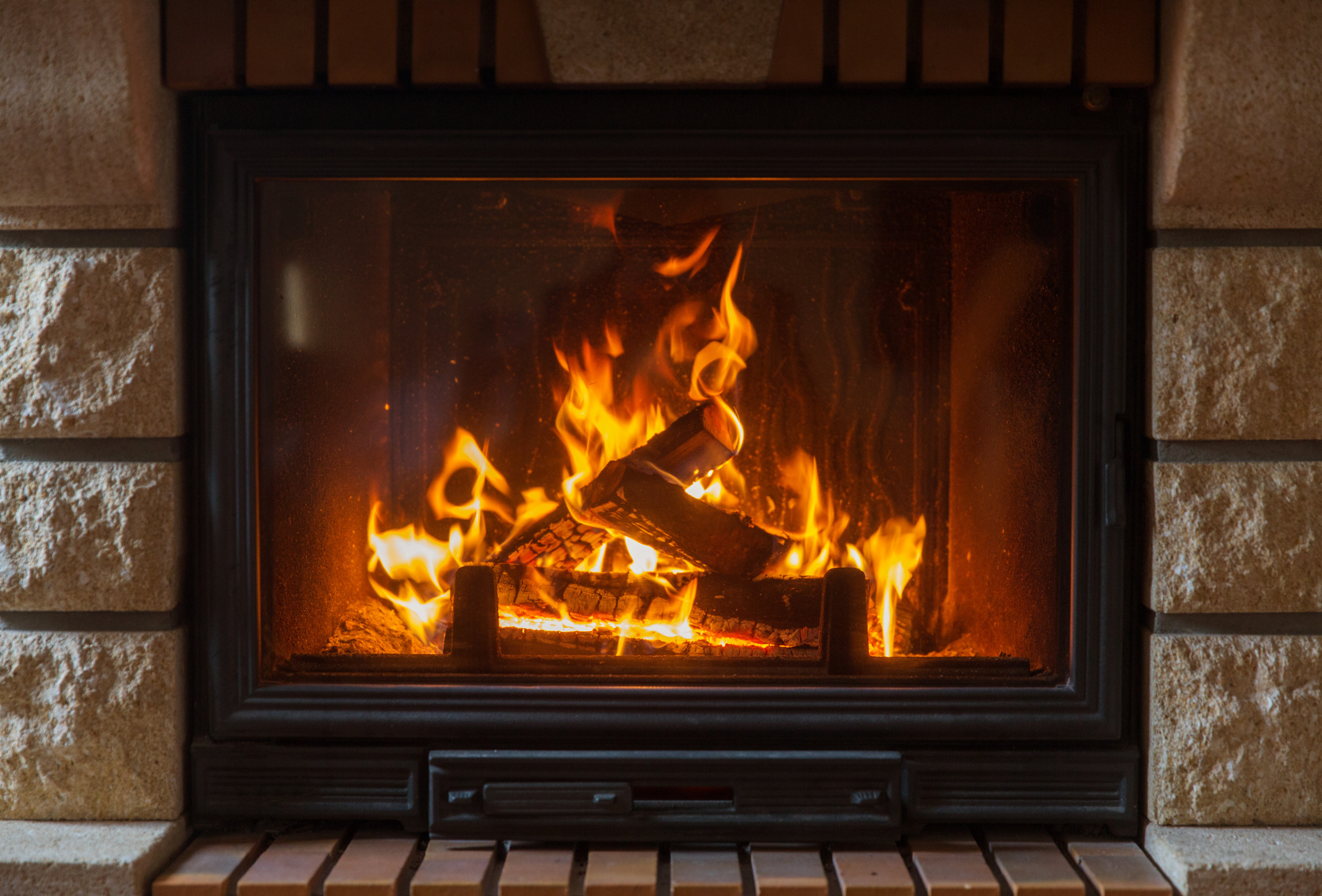
Small combustion plants
Small combustion plants are usually operated with fossil fuels such as natural gas, heating oil, coal or wood. They are designed for private use and small businesses.
According to the 1st BImSchV (Ordinance on Small and Medium-Sized Combustion Plants), all plants with a rated thermal input of less than 1000 kW are considered small combustion plants.
Asbestos wave – asbestos in old buildings

The Industriegewerkschaft Bauen-Agrar-Umwelt (IG BAU) warns of a new danger from asbestos in buildings. With the imminent major renovation wave for modernization, conversions and energy saving, an “asbestos wave” threatens to hit the construction industry in the coming decades. Construction workers and DIY enthusiasts will be exposed to major health risks if they inhale the asbestos fibers that are released.
Release of asbestos fibers from fiber cement boards

Fiber cement boards that are traded and installed today are generally considered to be harmless to health, as they are made of modern substitute materials and are free of carcinogenic asbestos fibers. However, for houses built from the mid-1960s to the 1990s, it is often suspected that the fiber cement panels installed still contain the asbestos fibers that were previously mixed in and are harmful to health. These can be released with increasing weathering during renovation or refurbishment.
Building Energy Act – energy-efficient refurbishment and new construction obligations

The new Building Energy Act (GEG) – “Act on Energy Saving and the Use of Renewable Energies for Heating and Cooling in Buildings” came into force on November 1, 2020 and merged the previous laws and ordinances (EnEG, EnEV and EEWärmeG).
Indoor guide values – indoor air test with GSA measuring devices

Indoor guide values are an important measuring factor for assessing indoor air. The indoor climate is of crucial importance for people’s well-being and health. Indoor air tests with specially designed GSA measuring devices are therefore a suitable solution if pollutants are suspected in indoor spaces.