
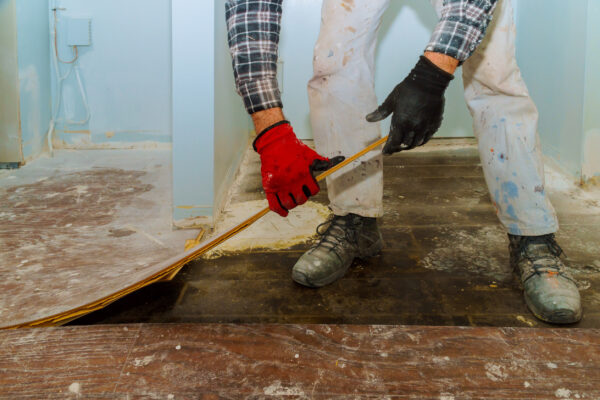
Pollutants from PAHs-containing adhesives in parquet flooring can be released into the indoor air through wear and tear or during parquet work and settle in house dust. PAHs (polycyclic aromatic hydrocarbons) are carcinogenic pollutants that are particularly dangerous to health. Parquet floors are considered to be allergy-friendly, as they are generally easy to clean and do not absorb dust. New parquet floors are no longer laid with adhesives containing PAHs, but with substitutes that are harmless to health.
Measuring devices
Air pollutants in small combustion plants

Small combustion plants
Small combustion plants are usually operated with fossil fuels such as natural gas, heating oil, coal or wood. They are designed for private use and small businesses.
According to the 1st BImSchV (Ordinance on Small and Medium-Sized Combustion Plants), all plants with a rated thermal input of less than 1000 kW are considered small combustion plants.
Measuring mold after renovations

Mold is often found after renovation work and can pose a health risk. Depending on the mold infestation and health sensitivity, allergic reactions or infections can be triggered. The formation should therefore be treated professionally without delay. In order to localize the spread and concentration, it is advisable to take samples with the GSA measuring devices SG5200 to measure the mould.
Asbestos wave – asbestos in old buildings

The Industriegewerkschaft Bauen-Agrar-Umwelt (IG BAU) warns of a new danger from asbestos in buildings. With the imminent major renovation wave for modernization, conversions and energy saving, an “asbestos wave” threatens to hit the construction industry in the coming decades. Construction workers and DIY enthusiasts will be exposed to major health risks if they inhale the asbestos fibers that are released.
Release of asbestos fibers from fiber cement boards
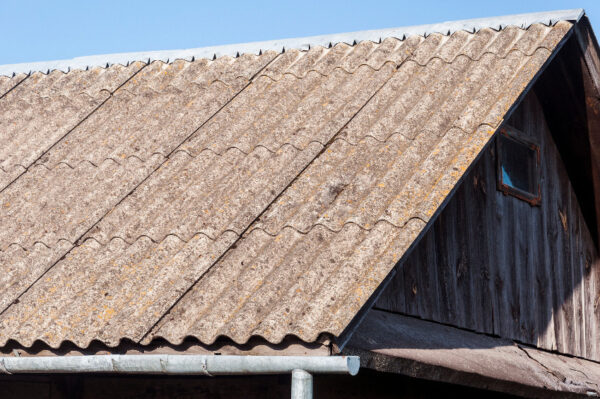
Fiber cement boards that are traded and installed today are generally considered to be harmless to health, as they are made of modern substitute materials and are free of carcinogenic asbestos fibers. However, for houses built from the mid-1960s to the 1990s, it is often suspected that the fiber cement panels installed still contain the asbestos fibers that were previously mixed in and are harmful to health. These can be released with increasing weathering during renovation or refurbishment.
Harmful asbestos in serpentinite rock

Serpentinite, a dark greenish natural stone with characteristic spots and whitish bands, is mainly used as a decorative stone. Serpentinite is still used today for flooring, cladding and other decorative products. However, serpentinite can release harmful asbestos fibers under certain conditions. These dangers exist above all when serpentinite is worked or broken .
PCBs in old capacitors
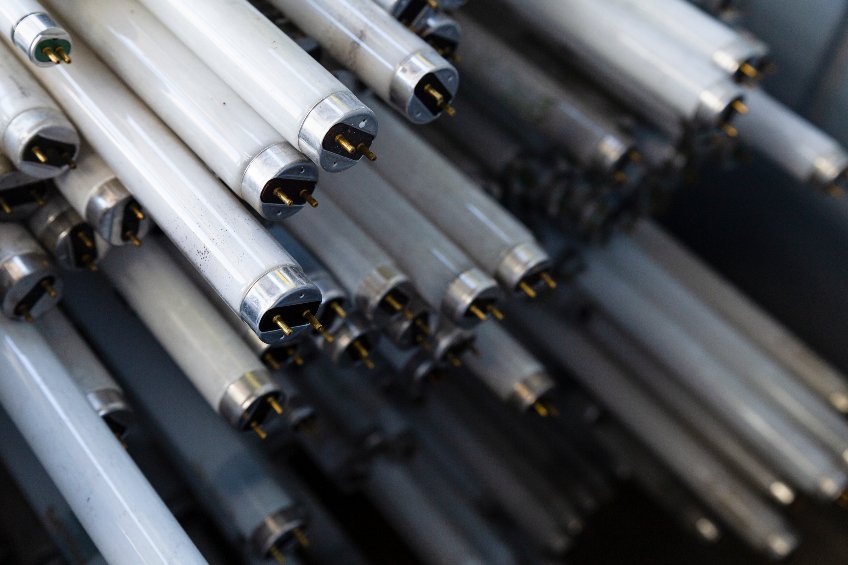
Polychlorinated biphenyls (PCBs) were until the 90s as insulating agents in old capacitors, fluorescent lamps, household appliances, paints, plastics and plasticizers. They continue to pose a health risk today. In many cases, old devices such as fluorescent tubes with PCB-contaminated small capacitors are still in use. The harmful PCB-contaminated insulating fluid can leak out of these.
Building Energy Act – energy-efficient refurbishment and new construction obligations

The new Building Energy Act (GEG) – “Act on Energy Saving and the Use of Renewable Energies for Heating and Cooling in Buildings” came into force on November 1, 2020 and merged the previous laws and ordinances (EnEG, EnEV and EEWärmeG).
Indoor guide values – indoor air test with GSA measuring devices

Indoor guide values are an important measuring factor for assessing indoor air. The indoor climate is of crucial importance for people’s well-being and health. Indoor air tests with specially designed GSA measuring devices are therefore a suitable solution if pollutants are suspected in indoor spaces.
Information system for hazardous substances (IGS-public)
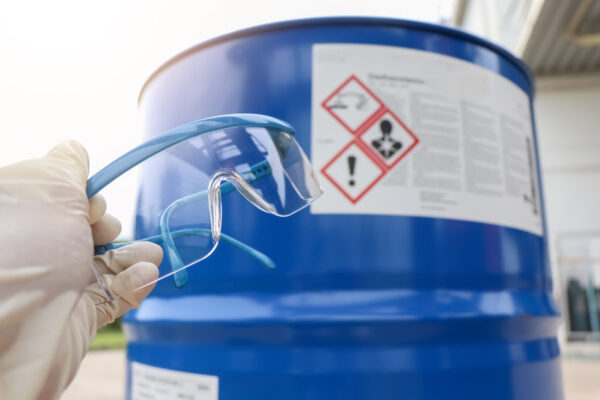
The Information System for Hazardous Substances (IGS-public), an online portal of the Landesamt für Natur, Umwelt und Verbraucherschutz Nordrhein-Westfalen (LANUV), provides consumers with free information on substance characteristics and legislation on chemical and biological substances. The database with around 250,000 entries on substances contains important information on health protection and the handling of hazardous substances.