
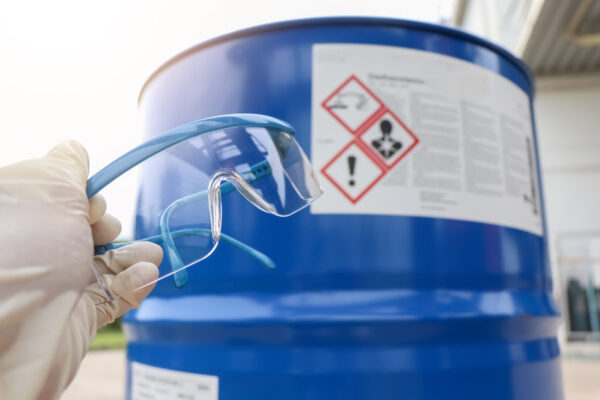
The Information System for Hazardous Substances (IGS-public), an online portal of the Landesamt für Natur, Umwelt und Verbraucherschutz Nordrhein-Westfalen (LANUV), provides consumers with free information on substance characteristics and legislation on chemical and biological substances. The database with around 250,000 entries on substances contains important information on health protection and the handling of hazardous substances.
Measuring devices
Measure toner dust with Gravikon PM4-2

Reports of health risks caused by toner dust from laser printers and copiers are worrying many consumers. The fine dust particles can get into the air we breathe and contaminate indoor air. People come into contact with toner dust from printers, copiers and multifunctional devices at the workplace in particular.
Kale – bioindicator for pollutants

Kale is considered a superfood and is a bioindicator for air pollutants and contaminated soils. Active biomonitoring, with biologically standardized measurement methods, can be used to determine and assess the effects of air pollution and other stresses on the environment and humans.
Ventilate properly with CO2 measuring devices – coronavirus air sampling with Vira-Pore
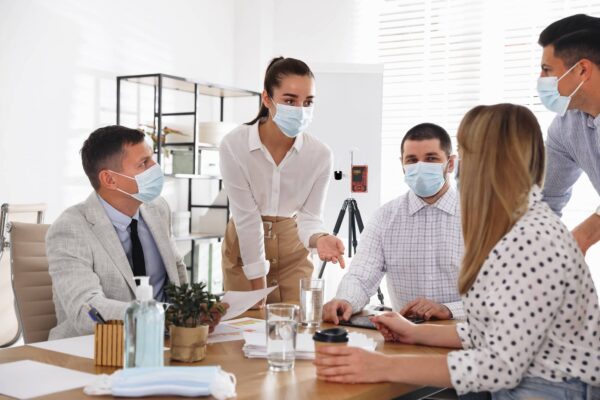
CO2 measuring devices enable precise carbon dioxide measurements indoors and warn when poor indoor air values are exceeded. They check the air quality for its current CO2 content and remind you when it is time to ventilate when “critical values” are reached. This is done using a traffic light system or acoustic signals, for example.
Pollutants in schools

Pollutants in schools put a strain on teachers and especially children. They often spend many hours in the same rooms, which can make them ill. Children are particularly at risk if they are exposed to them in classrooms, workrooms, laboratories or other areas.
Inhalation of hazardous substances – Sampling with SG10-2 and PM4-2
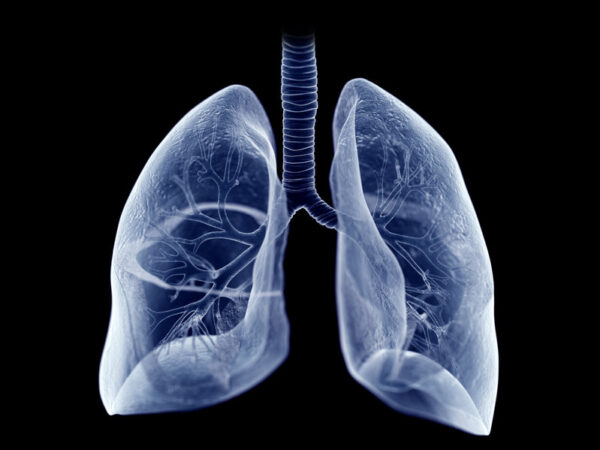
The inhalation of hazardous substances at the workplace and in other areas can lead to damage to health and even serious cancer in the event of prolonged exposure. Clear occupational health and safety regulations are in place to protect health and prevent possible illnesses caused by inhaling hazardous substances.
Old night storage heaters – often contaminated with asbestos – PCB – chromate
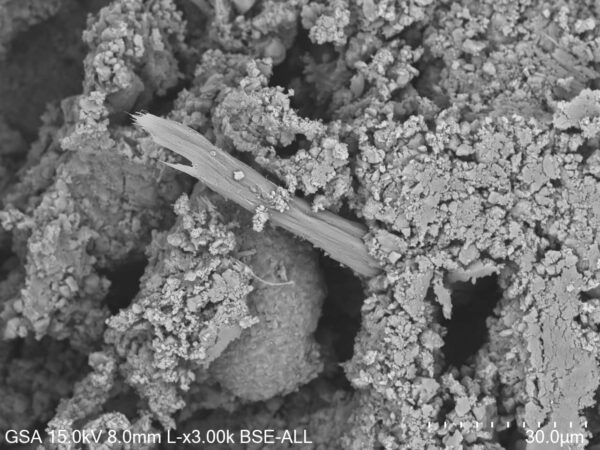
Depending on the year of construction and model type, night storage heaters can still be heavily contaminated with asbestos and other harmful pollutants such as PCBs (polychlorinated biphenyls) and chromate (chromium VI). In order to measure possible asbestos contamination indoors, GSA measuring devices offers suitable measuring devices such as the SG12 for asbestos measurement.
Advantages and disadvantages of lithium-ion batteries – Life cycle assessment
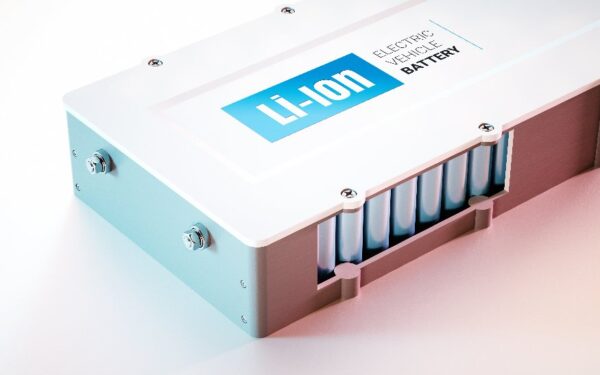
Lithium-ion batteries are essential and very popular as rechargeable storage devices in household appliances, PCs, laptops, tablets, cell phones, battery storage for photovoltaic systems and for climate-friendly electromobility. The trend towards the use of these high-performance rechargeable batteries continues unabated.
Very high numbers of e-car registrations are expected in Germany in the future. The German government plans to have ten million registered electric vehicles by 2030. Many consumers already own numerous (household) appliances with powerful and energy-efficient lithium-ion batteries. This poses particular challenges for consumers and disposal companies, as well as for correct disposal for resource-saving recycling.
AMF fibre measurements with SG12 for mineral wool insulation
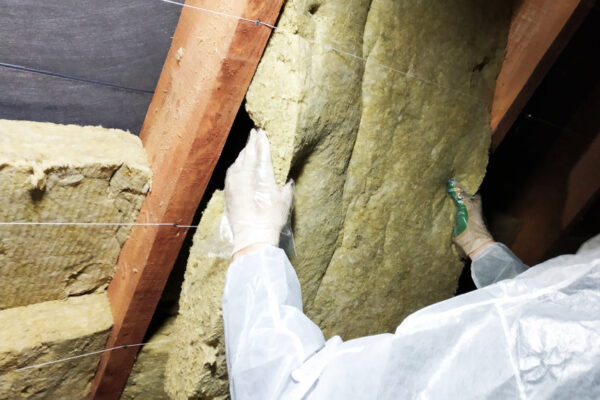
With the specially developed for fibre measurements according to VDI 3492 SG12 can also be used to sample roof insulation for potential sources of danger. Roof insulation is often made of glass wool or rock wool, which are classified as AMF (artificial mineral fibers). According to TRGS 905, these fibers can be carcinogenic.
Indoor air measurement of formaldehyde with SG5200
Indoor air measurement of formaldehyde can be carried out precisely with the GSA measuring devices SG5200. Due to the health hazards of formaldehyde, it is recommended to measure indoor air with the SG5200 if there is any suspicion. In the event of outgassing, formaldehyde has potentially harmful effects on the human body.
Exposure to formaldehyde emissions has increased significantly in recent decades, as solid wood furniture, which is no longer harmless to health, no longer dominates interior design. The wood-based materials used are often chipboard with different coatings. Many modern furnishings are largely made of chipboard with a veneered or laminate surface. Formaldehyde often escapes from this furniture, especially in areas where the surface is damaged.