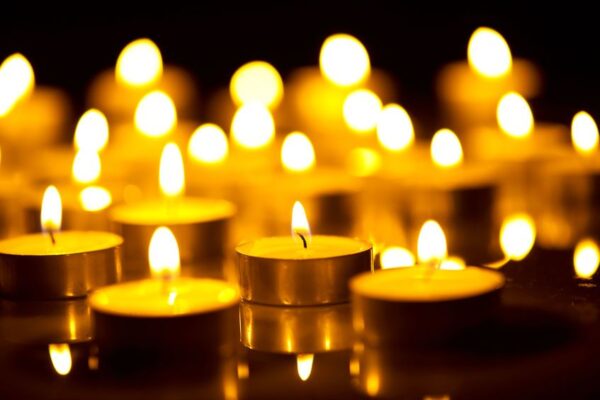
Users generally do not imagine fine dust pollution in the home – simply by lighting and burning atmospheric candles – and are aware of the possible effects on health. Candles are particularly popular in the run-up to Christmas.
Occupational safety
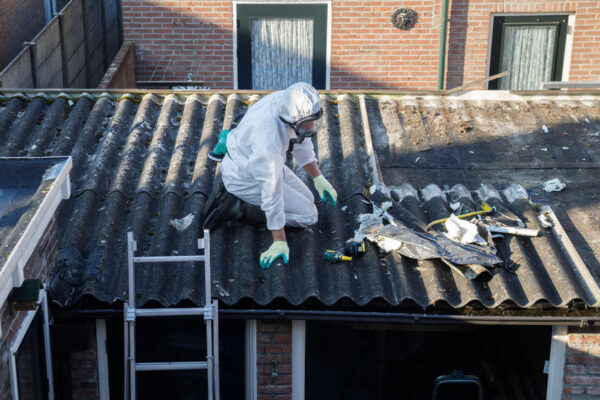
Asbestos situation 2020 – facts from the “National Asbestos Profile Germany”
Current study on the asbestos situation in Germany
In June 2020, the Federal Institute for Occupational Safety and Health (Baua) published the “National Asbestos Profile Germany” for the second time. The national asbestos situation in Germany is explained in over 70 informative pages.
Measuring of harmful substances during renovations
Measuring of harmful substances during remediation measures
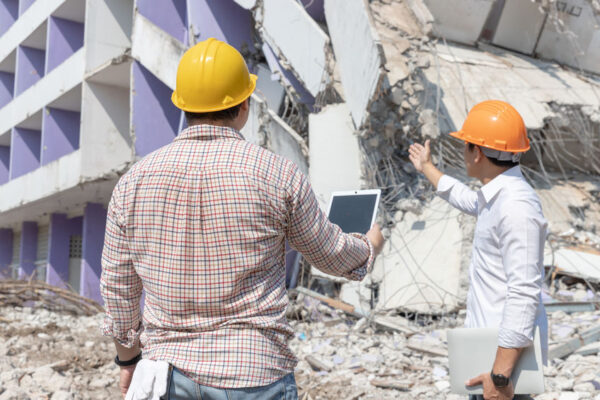
In many houses, extensive refurbishment measures are only required after many years, for example, when old plaster is knocked off or old tiles or electrical cables are removed. In order to find out whether pollutants are hidden in the old building components, measurements of harmful substances such as asbestos measurements are useful.
Measure occupational limit values GSA SG10-2 and PM4-2 devices
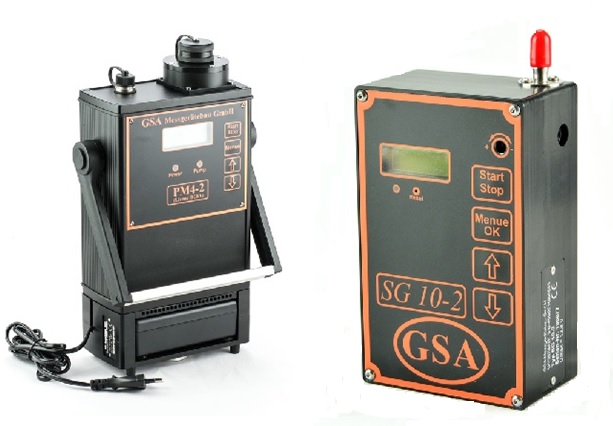
The occupational limit values describe the maximum permitted exposure to a substance at the workplace. This is based on regular contact over a 40-hour working week (5 days of 8 hours each). Important safety measures at the workplace can be derived from the results obtained.
RCP measurement with GSA measuring device SG350ex
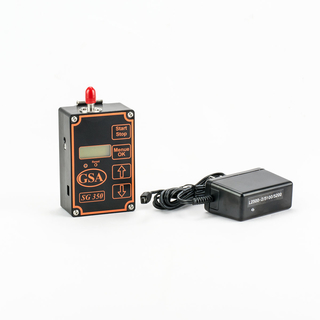
With the measuring device SG350ex, the mass fractions of hydrocarbons can be determined by means of an RCP measurement. The measurement with the measuring device SG350ex is used to check occupational health and safety. It can be used to test whether the permissible occupational limit values of the respective mixtures are exceeded or whether there is no specific health hazard.
Technical rules for hazardous substances – TRGS 900
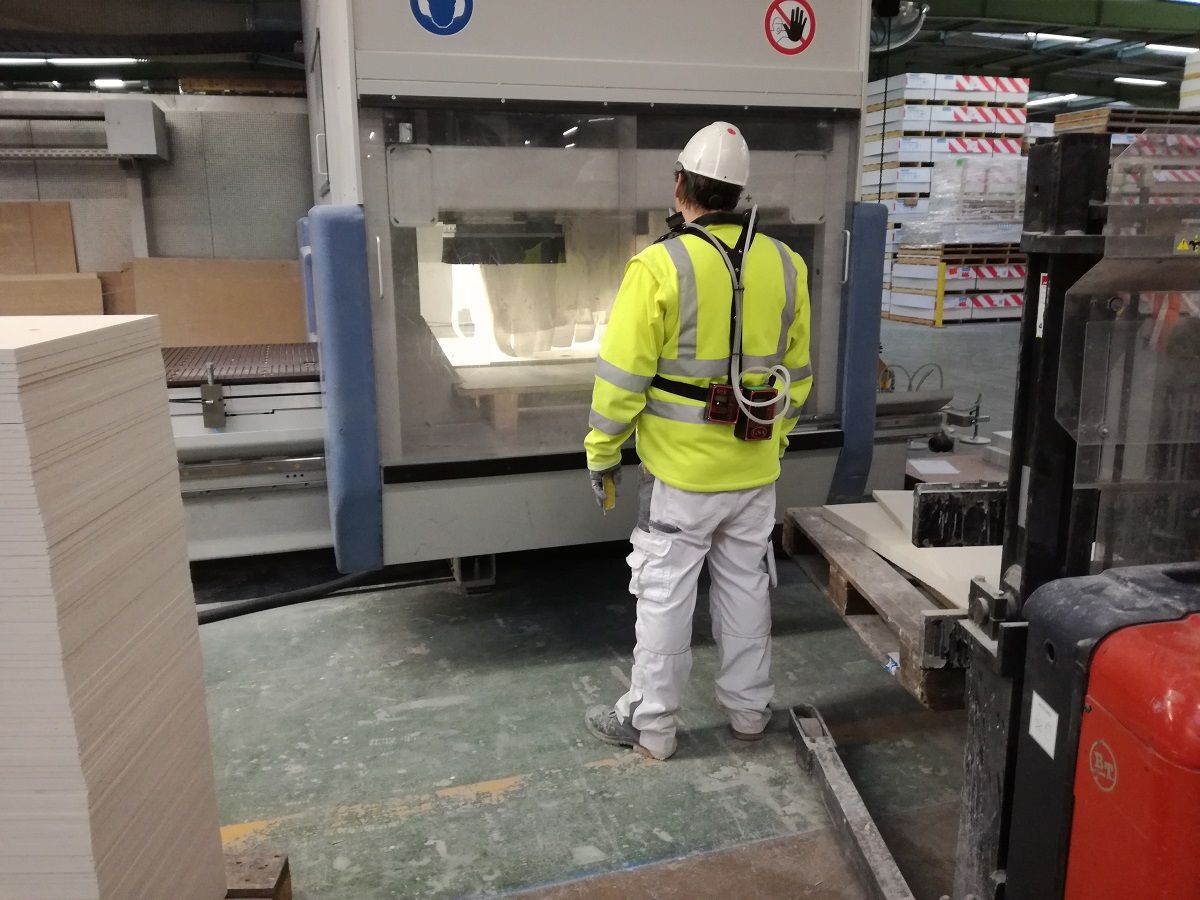
Behind the abbreviation TRGS stands for the Technical Rules for Hazardous Substances. These rules reflect the current state of the art, scientific findings for activities involving hazardous substances, including their classification and labeling. They are drawn up by the Committee for Hazardous Substances (AGS) and published by the Bundesministerium für Arbeit und Soziales (BMAS). The Hazardous Substances Ordinance can also be consulted.
Measure pollutants in the house

In general, the term pollutants refers to substances that have a harmful effect on health and/or the environment.
The pollutants can be solids, gases/fumes or liquids and are usually present as mixtures of substances.
The hazard potential depends on the type of substance and the duration and frequency of exposure.
Gas in potentially explosive atmospheres – SG350ex and SG5100ex

The GSA measuring devices SG350ex and SG5100ex have been specially developed and certified for use with gas in potentially explosive atmospheres with the suffix “ex” .
When it comes to measuring occupational safety in such a hazardous environment, it makes sense to use the GSA SG350ex or SG5100ex measuring device if contact with flammable gases is possible.
Technical rules for hazardous substances – TRGS 400
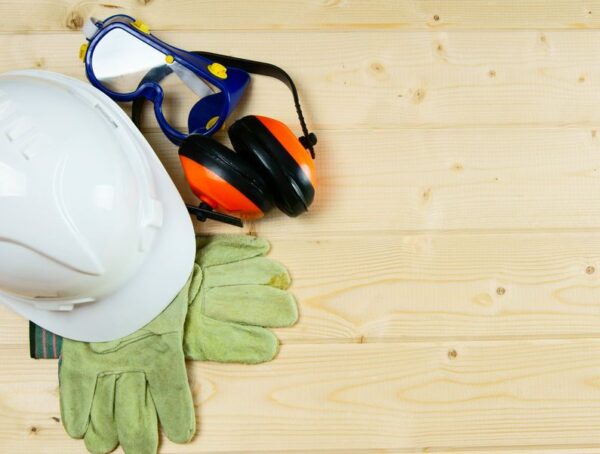
Technical Rules for Hazardous Substances TRGS 400
The abbreviation TRGS stands for Technical Rules for Hazardous Substances and are a fundamental element of occupational health and safety. These rules specify the application of the Hazardous Substances Ordinance.
Such a risk assessment is always necessary if pollutants may be present at the workplace. The employer has a duty to protect employees from potential health hazards.
Cyclone in GSA measuring device FSP2 for dust measurement

GSA ‘s FSP2 personal sampling system is equipped with a cyclone. This is a licensed sampling system that is used, for example, for particle measurements of dust fractions of A-dust or E-dust at the workplace in order to determine the dust load there.
Measuring dust exposure at the workplace is always useful when occupational limit values must be complied with.