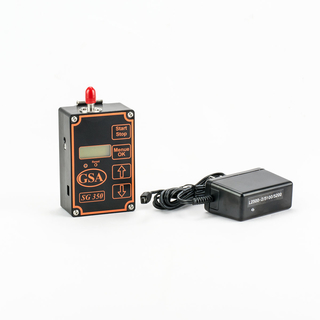
With the measuring device SG350ex, the mass fractions of hydrocarbons can be determined by means of an RCP measurement. The measurement with the measuring device SG350ex is used to check occupational health and safety. It can be used to test whether the permissible occupational limit values of the respective mixtures are exceeded or whether there is no specific health hazard.
Technical rules for hazardous substances – TRGS 900
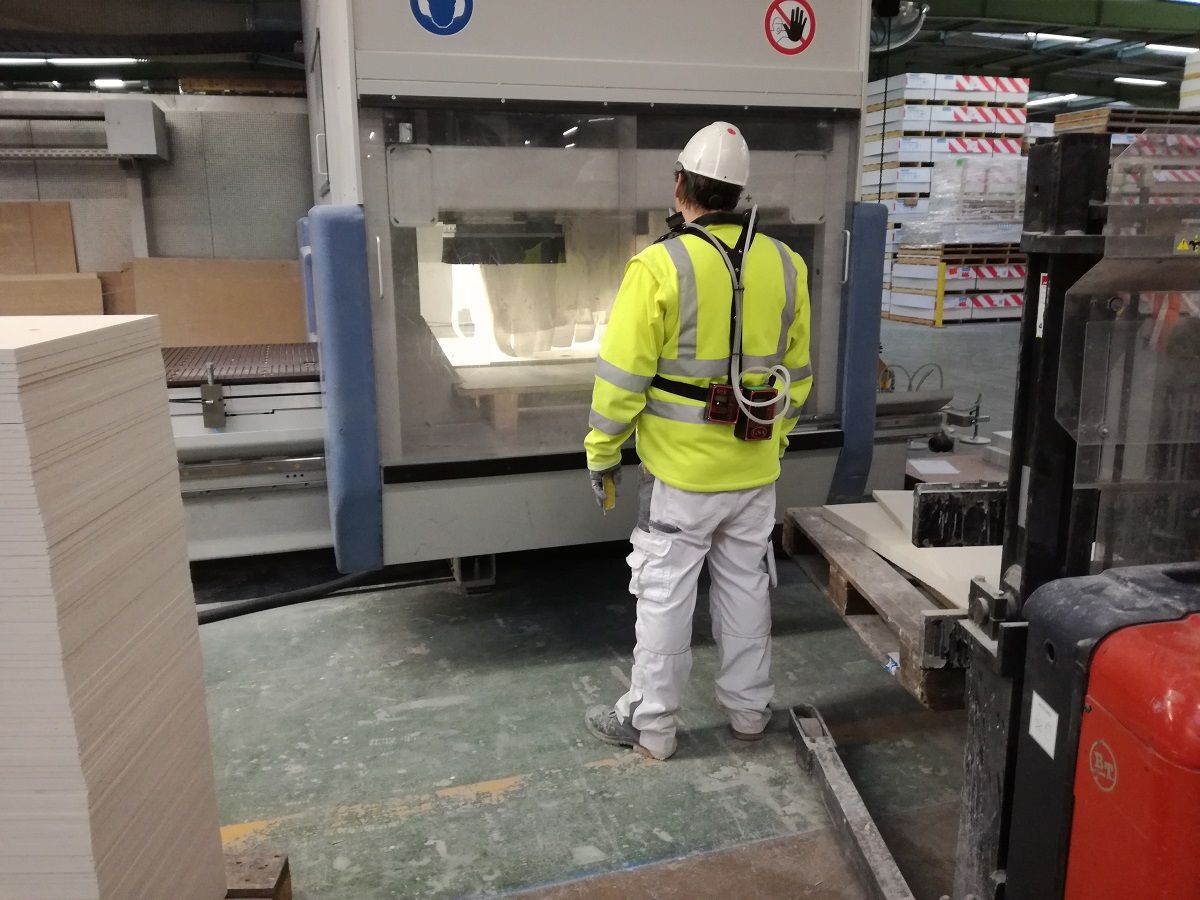
Behind the abbreviation TRGS stands for the Technical Rules for Hazardous Substances. These rules reflect the current state of the art, scientific findings for activities involving hazardous substances, including their classification and labeling. They are drawn up by the Committee for Hazardous Substances (AGS) and published by the Bundesministerium für Arbeit und Soziales (BMAS). The Hazardous Substances Ordinance can also be consulted.
Measure pollutants in the house

In general, the term pollutants refers to substances that have a harmful effect on health and/or the environment.
The pollutants can be solids, gases/fumes or liquids and are usually present as mixtures of substances.
The hazard potential depends on the type of substance and the duration and frequency of exposure.
Gas in potentially explosive atmospheres – SG350ex and SG5100ex

The GSA measuring devices SG350ex and SG5100ex have been specially developed and certified for use with gas in potentially explosive atmospheres with the suffix “ex” .
When it comes to measuring occupational safety in such a hazardous environment, it makes sense to use the GSA SG350ex or SG5100ex measuring device if contact with flammable gases is possible.
Nanoparticles – use and danger

What does the term “nano” mean?
Nanoparticles are particles with a size (height, width or length) of 1 to 100 nm (nanometers). To clarify the size: A nanometer is one millionth of a millimeter.
“Nano” is derived from the Greek term nanos and means dwarf. This refers to the small size of the particles.
Technical rules for hazardous substances – TRGS 400
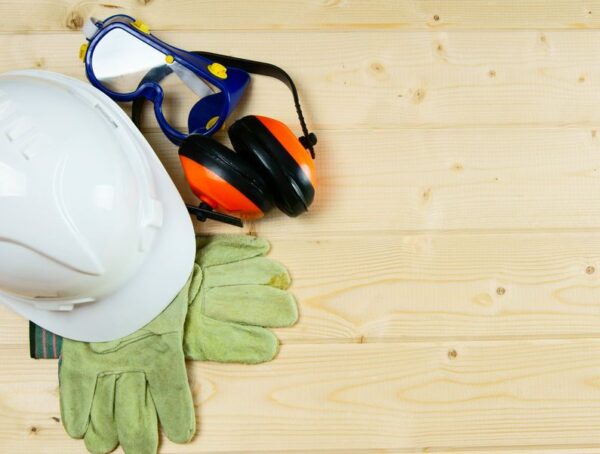
Technical Rules for Hazardous Substances TRGS 400
The abbreviation TRGS stands for Technical Rules for Hazardous Substances and are a fundamental element of occupational health and safety. These rules specify the application of the Hazardous Substances Ordinance.
Such a risk assessment is always necessary if pollutants may be present at the workplace. The employer has a duty to protect employees from potential health hazards.
Cyclone in GSA measuring device FSP2 for dust measurement

GSA ‘s FSP2 personal sampling system is equipped with a cyclone. This is a licensed sampling system that is used, for example, for particle measurements of dust fractions of A-dust or E-dust at the workplace in order to determine the dust load there.
Measuring dust exposure at the workplace is always useful when occupational limit values must be complied with.
GSA room air measuring devices detect solvents
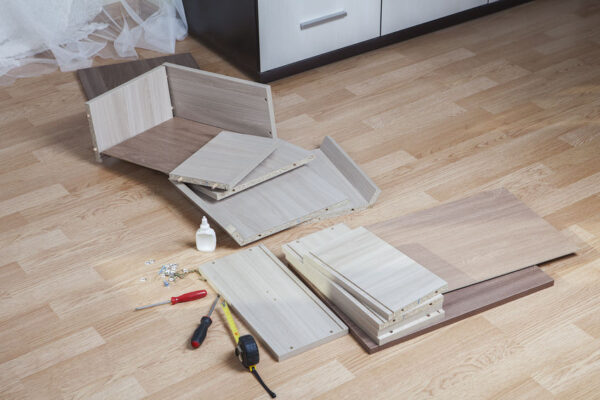
GSA SG350ex, SG5200 and SG5100ex room air measuring devices for sampling solvents
GSA indoor air measuring devices reliably detect the presence and harmful quantities of solvents in the home. If, for example, an unpleasant odor develops in the course of new furniture or other furnishings, or if symptoms only occur in one room, there may be solvent pollution.
The GSA measuring device SG350ex is particularly suitable when it comes to escaping gases. These room air measuring devices therefore provide more information about the gases present in the room under investigation.
Measure mold with SG5200
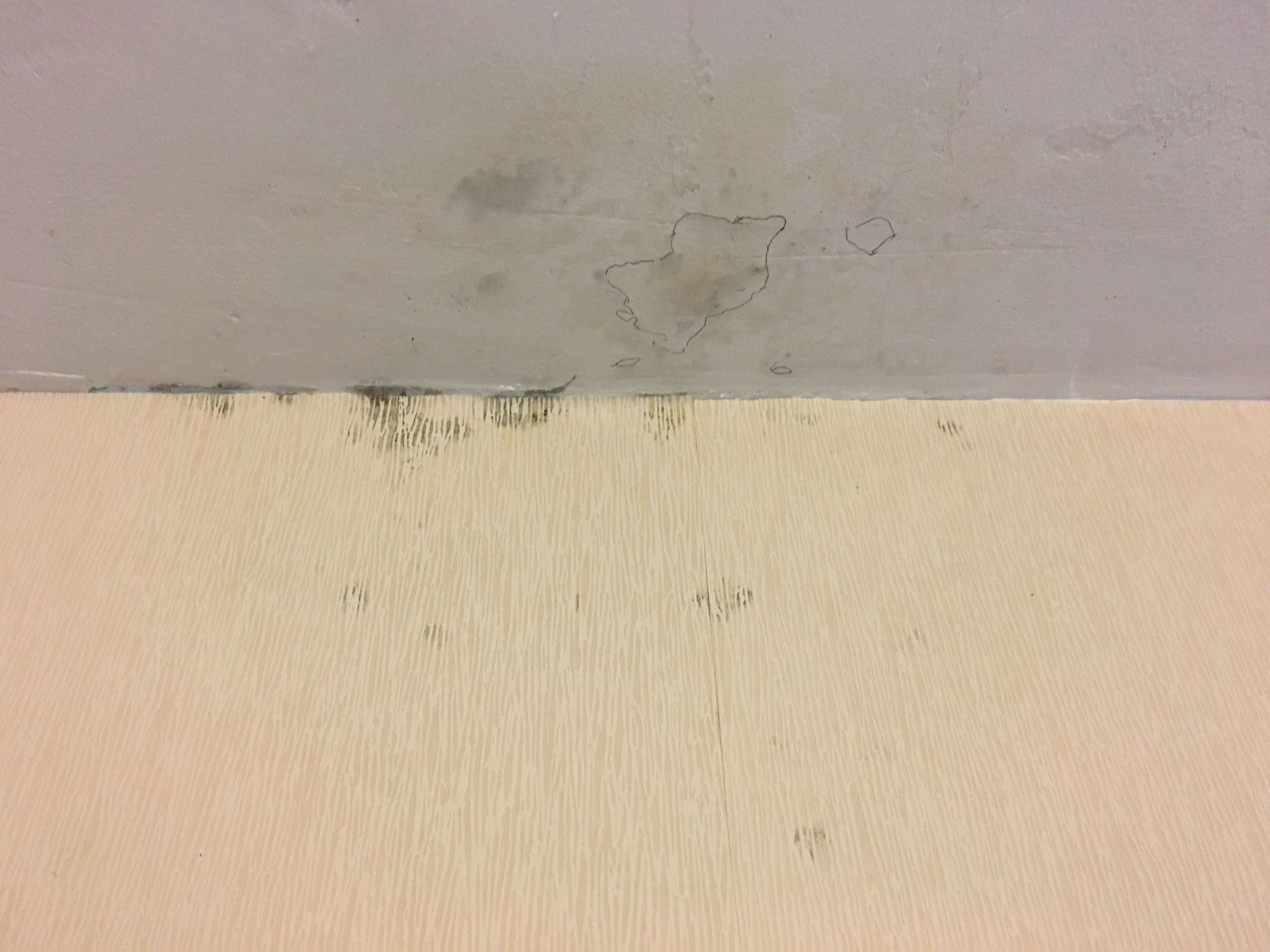
SG5200 measuring devices to precisely measure mold
The measuring device SG5200 can be used to measure various hazardous substances, including mold. The SG5200 can be used both for personal sampling, such as in the breathing zone, as well as stationary for up to two hours at up to 5000 ml/min for mold measurement. The SG5200 measuring devices are easy to operate and can generate a large volume flow range for measurement.
Asbestos measurement often necessary
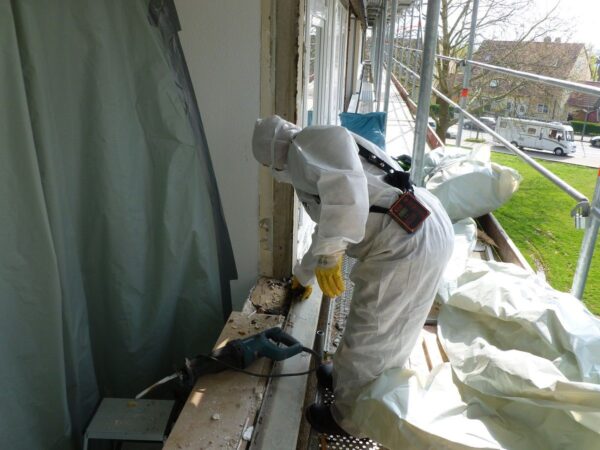
Asbestos measurement for suspected asbestos fibers
If there is a suspected risk from asbestos fibers, fibre measurements must be carried out. Such fibre measurements for asbestos fibres can be carried out using our SG12 measuring devices for asbestos measurement.