What are nanoparticles?
The term nanoparticle is used to describe particles with a size between 1 and 100 nanometers in height, width or length. The Greek term “nanos” means dwarf and illustrates the size dimension.
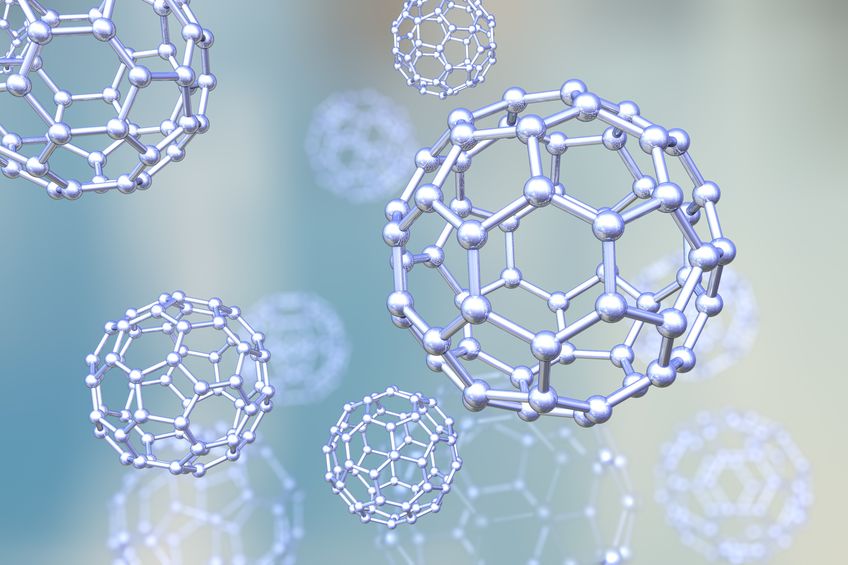
The term nanoparticle is used to describe particles with a size between 1 and 100 nanometers in height, width or length. The Greek term “nanos” means dwarf and illustrates the size dimension.

The current pandemic situation, with the tightening of coronavirus measures, has completely changed the living conditions of most people. Many are working from home to protect their health and their workplace. Often, the entire family spends almost all of their time at home without properly exchanging the indoor air at intervals due to the general closure of schools or daycare centers or the current inability to use leisure facilities outside the home.
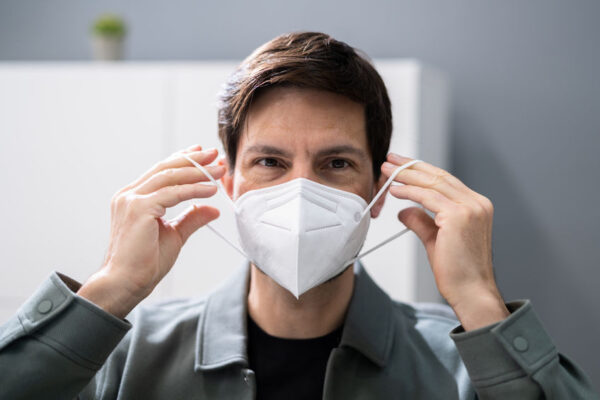
Since Monday, 25.01.2021, it has been mandatory to wear only surgical masks or FFP2 masks when shopping in stores and on public transport. The latter are increasingly in demand due to their better filtering properties against coronavirus infection.

In the acute pandemic situation with a further increase in corona cases, we offer the new Vira-Pore virus sampling cassette for air measurement of coronaviruses in indoor air for laboratory testing.
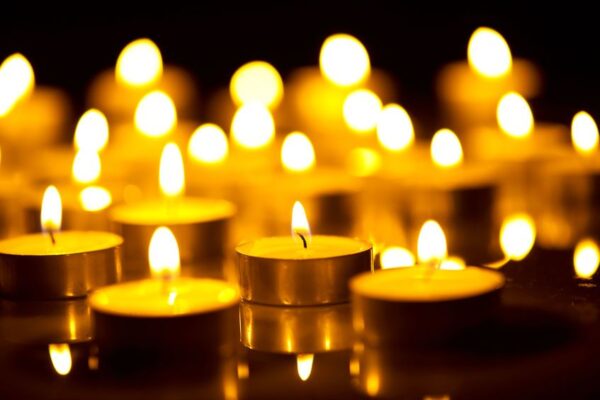
Users generally do not imagine fine dust pollution in the home – simply by lighting and burning atmospheric candles – and are aware of the possible effects on health. Candles are particularly popular in the run-up to Christmas.
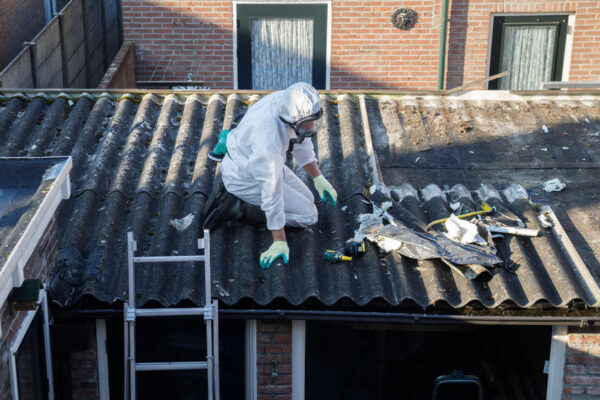
In June 2020, the Federal Institute for Occupational Safety and Health (Baua) published the “National Asbestos Profile Germany” for the second time. The national asbestos situation in Germany is explained in over 70 informative pages.
Strict limit values for permissible dust exposure apply to occupational safety in environments with dusts. This is particularly important for checking dust exposure at the workplace in order to avoid health hazards.
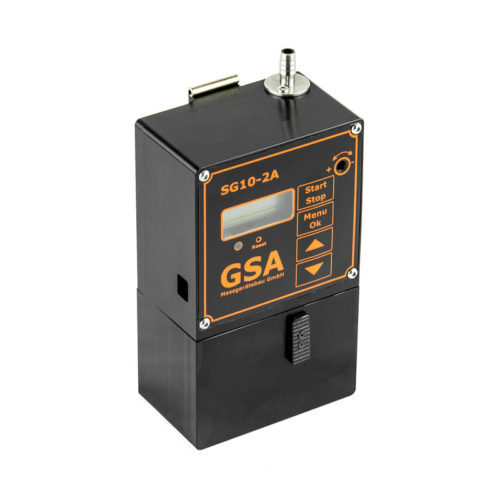
The GSA measuring device SG10-2A enables the measurement of dusts and other hazardous substances up to 10 l/min in accordance with EN 481.
Strict limit values for permissible dust exposure apply to occupational safety in environments with dusts. This is particularly important for checking dust exposure at the workplace in order to avoid health hazards.
The GSA measuring device SG10-2A enables the measurement of dusts and other hazardous substances up to 10 l/min in accordance with EN 481.

In many houses, extensive refurbishment measures are only required after many years, for example, when old plaster is knocked off or old tiles or electrical cables are removed. In order to find out whether pollutants are hidden in the old building components, measurements of harmful substances such as asbestos measurements are useful.

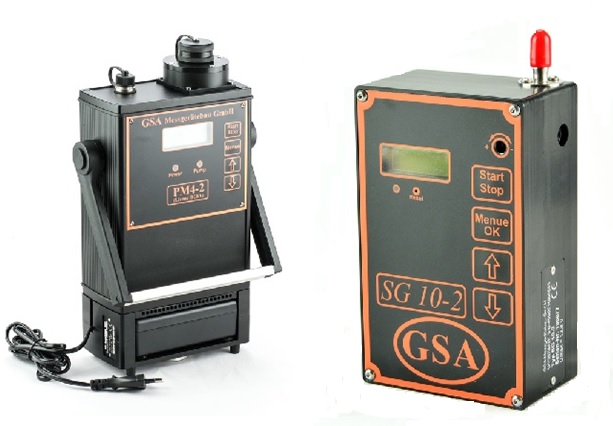
The measuring device SG5200 is ideal for mold measurement as well as for samples of dust fractions such as A-dust and E-dust, gases, fumes or fibers. There is a particular risk of mold during the warmer months of the year.
The occupational limit values describe the maximum permitted exposure to a substance at the workplace. This is based on regular contact over a 40-hour working week (5 days of 8 hours each). Important safety measures at the workplace can be derived from the results obtained.