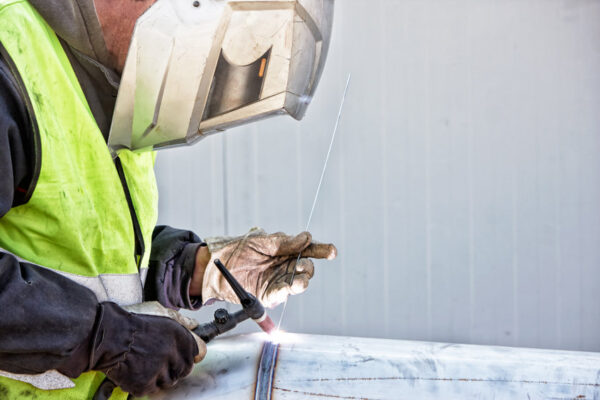
Breathing helmets with head protection

Breathing protection helmet

Breathing helmets with head protection – important protection in dangerous work situations

Wearing respiratory helmets with head protection is an important form of protection when working in hazardous environments, particularly in trade, industry and construction. This includes, in particular, possible contact with hazardous substances.

Read more

Nanoparticles and the REACH Regulation

What are nanoparticles?

The term nanoparticle is used to describe particles with a size between 1 and 100 nanometers in height, width or length. The Greek term “nanos” means dwarf and illustrates the size dimension.

Read more

Improving indoor air indoors

Ventilate the room air

Simple strategies for improving indoor air

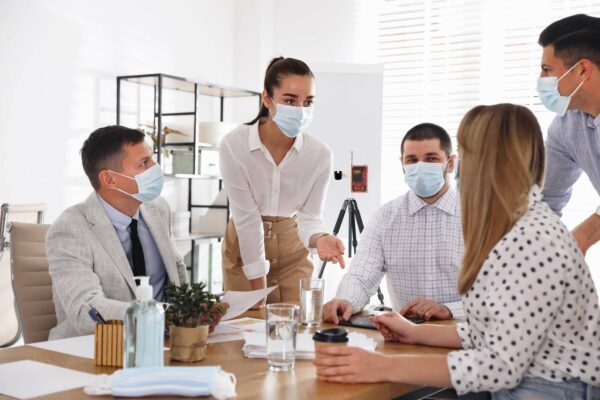
The current pandemic situation, with the tightening of coronavirus measures, has completely changed the living conditions of most people. Many are working from home to protect their health and their workplace. Often, the entire family spends almost all of their time at home without properly exchanging the indoor air at intervals due to the general closure of schools or daycare centers or the current inability to use leisure facilities outside the home.

Read more

Coronavirus air sampling indoors with the Vira-Pore virus sampling cassette

Air measurement coronavirus

In the acute pandemic situation with a further increase in corona cases, we offer the new Vira-Pore virus sampling cassette for air measurement of coronaviruses in indoor air for laboratory testing.

Read more

Measuring of harmful substances during renovations

harmful substances

Measuring of harmful substances during remediation measures

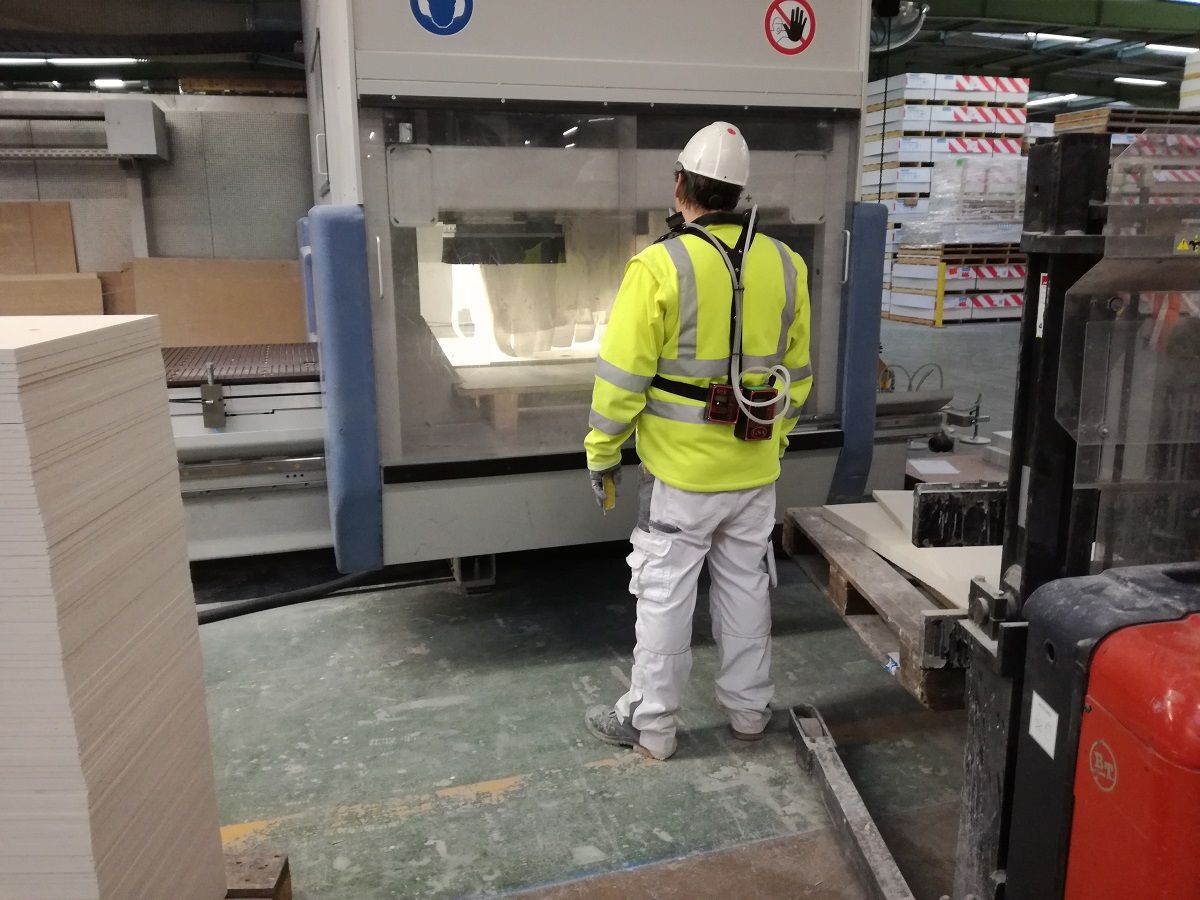
In many houses, extensive refurbishment measures are only required after many years, for example, when old plaster is knocked off or old tiles or electrical cables are removed. In order to find out whether pollutants are hidden in the old building components, measurements of harmful substances such as asbestos measurements are useful.

Read more

Technical rules for hazardous substances – TRGS 900

Dust measurement

Behind the abbreviation TRGS stands for the Technical Rules for Hazardous Substances. These rules reflect the current state of the art, scientific findings for activities involving hazardous substances, including their classification and labeling. They are drawn up by the Committee for Hazardous Substances (AGS) and published by the Bundesministerium für Arbeit und Soziales (BMAS). The Hazardous Substances Ordinance can also be consulted.

Read more

Measure pollutants in the house

Measuring pollutants

In general, the term pollutants refers to substances that have a harmful effect on health and/or the environment.

The pollutants can be solids, gases/fumes or liquids and are usually present as mixtures of substances.

The hazard potential depends on the type of substance and the duration and frequency of exposure.

Read more

Nanoparticles – use and danger

Nanoparticles copper

What does the term “nano” mean?

Nanoparticles are particles with a size (height, width or length) of 1 to 100 nm (nanometers). To clarify the size: A nanometer is one millionth of a millimeter.

“Nano” is derived from the Greek term nanos and means dwarf. This refers to the small size of the particles.

Read more

GSA room air measuring devices detect solvents

Solvent indoor air measuring-devices

GSA SG350ex, SG5200 and SG5100ex room air measuring devices for sampling solvents

GSA indoor air measuring devices reliably detect the presence and harmful quantities of solvents in the home. If, for example, an unpleasant odor develops in the course of new furniture or other furnishings, or if symptoms only occur in one room, there may be solvent pollution.


The GSA measuring device SG350ex is particularly suitable when it comes to escaping gases. These room air measuring devices therefore provide more information about the gases present in the room under investigation.

Read more