
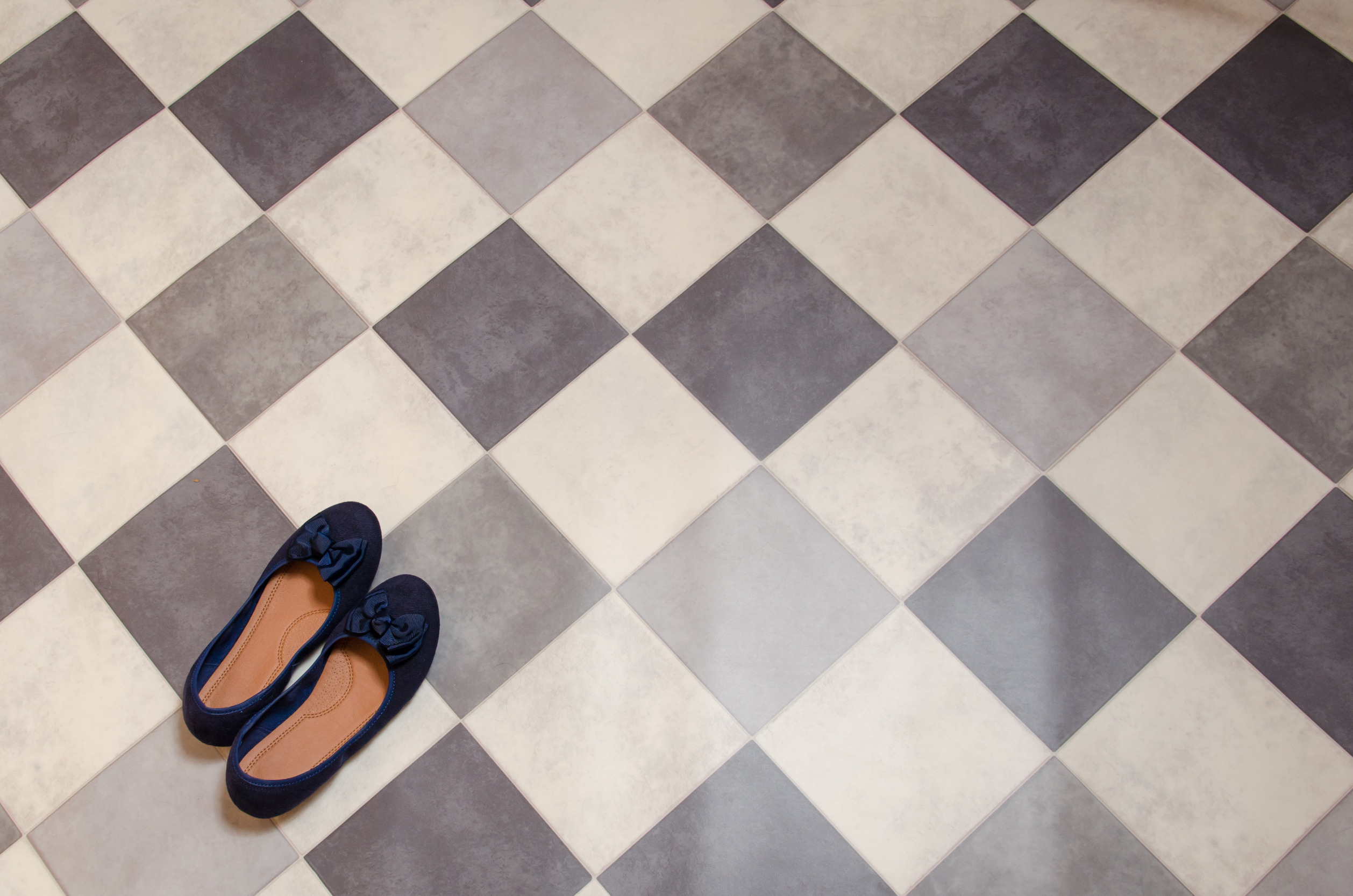
PVC floor coverings are considered to be quite inexpensive and easy-care “all-rounders” that are available in many variants. However, they are not without their problems and are often contaminated with pollutants. They almost deceptively imitate other floors made of wood, stone and other materials. PVC floors are now less contaminated with harmful substances than was the case decades ago. Nevertheless, PVC floor coverings can contain critical substances that can outgas in the air. Some of these pollutants are considered carcinogenic and are also harmful to the environment.
New Ecodesign Regulation for the most sustainable products

According to current strategies, the sustainability of products, from design and manufacture to recycling, should become the standard in the EU. Consumers will then be better informed so that they can choose environmentally friendly goods more easily. On December 4, 2023, the European Commission, the European Parliament and the Council of the European Union agreed on the amendment of the Ecodesign Regulation (ESPR) for formal adoption.
Adhesives containing PAHs in old parquet floors
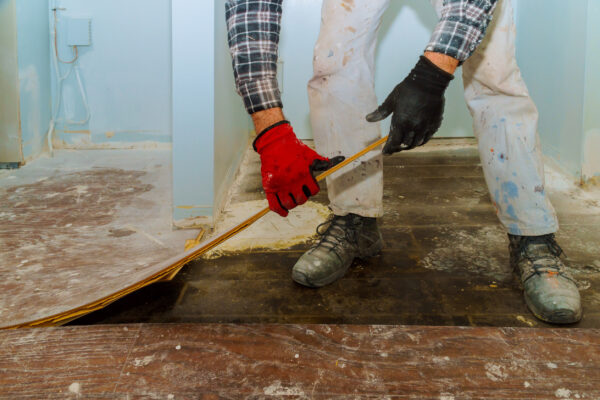
Pollutants from PAHs-containing adhesives in parquet flooring can be released into the indoor air through wear and tear or during parquet work and settle in house dust. PAHs (polycyclic aromatic hydrocarbons) are carcinogenic pollutants that are particularly dangerous to health. Parquet floors are considered to be allergy-friendly, as they are generally easy to clean and do not absorb dust. New parquet floors are no longer laid with adhesives containing PAHs, but with substitutes that are harmless to health.
Air pollutants in small combustion plants
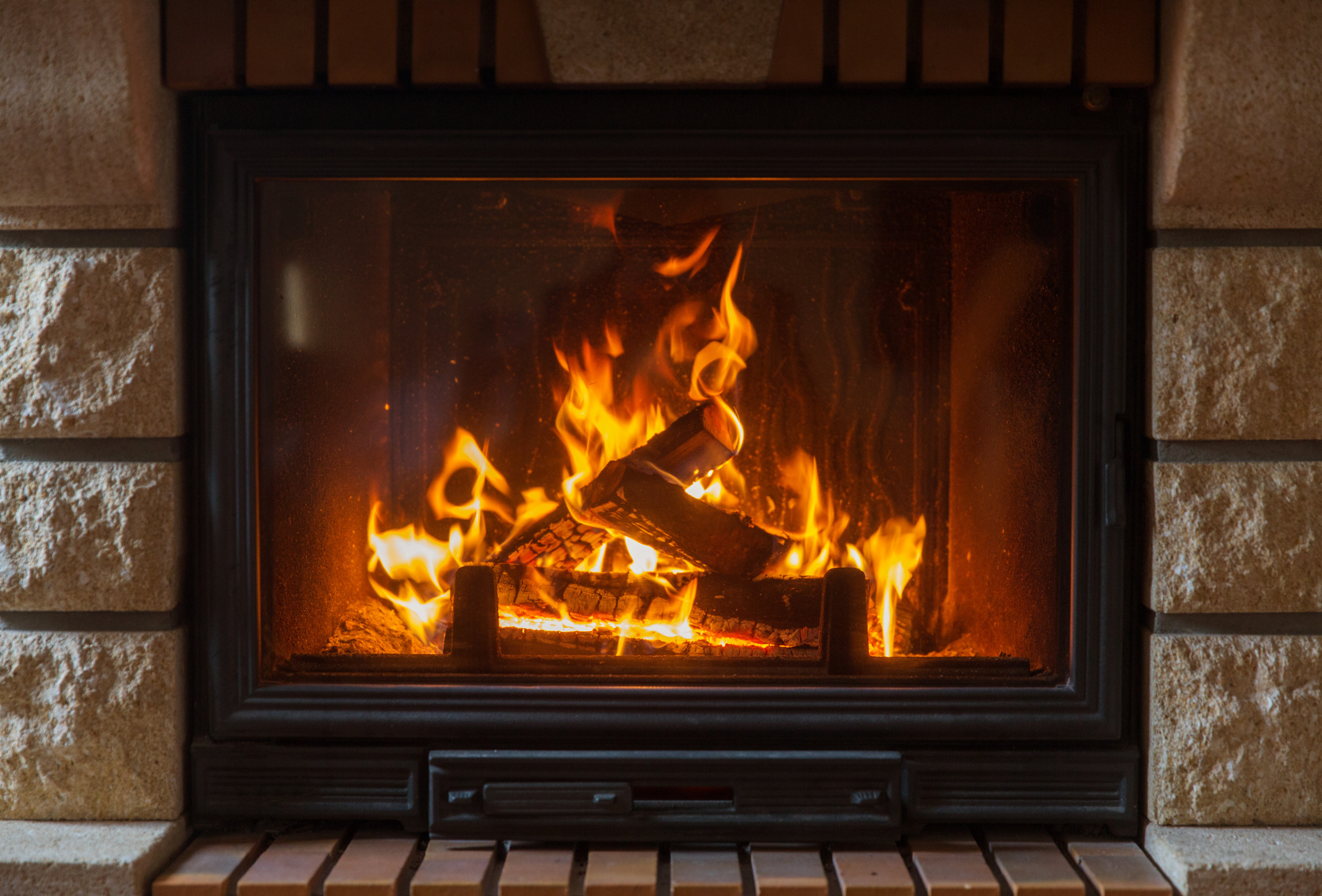
Small combustion plants
Small combustion plants are usually operated with fossil fuels such as natural gas, heating oil, coal or wood. They are designed for private use and small businesses.
According to the 1st BImSchV (Ordinance on Small and Medium-Sized Combustion Plants), all plants with a rated thermal input of less than 1000 kW are considered small combustion plants.
Measuring mold after renovations

Mold is often found after renovation work and can pose a health risk. Depending on the mold infestation and health sensitivity, allergic reactions or infections can be triggered. The formation should therefore be treated professionally without delay. In order to localize the spread and concentration, it is advisable to take samples with the GSA measuring devices SG5200 to measure the mould.
Asbestos wave – asbestos in old buildings
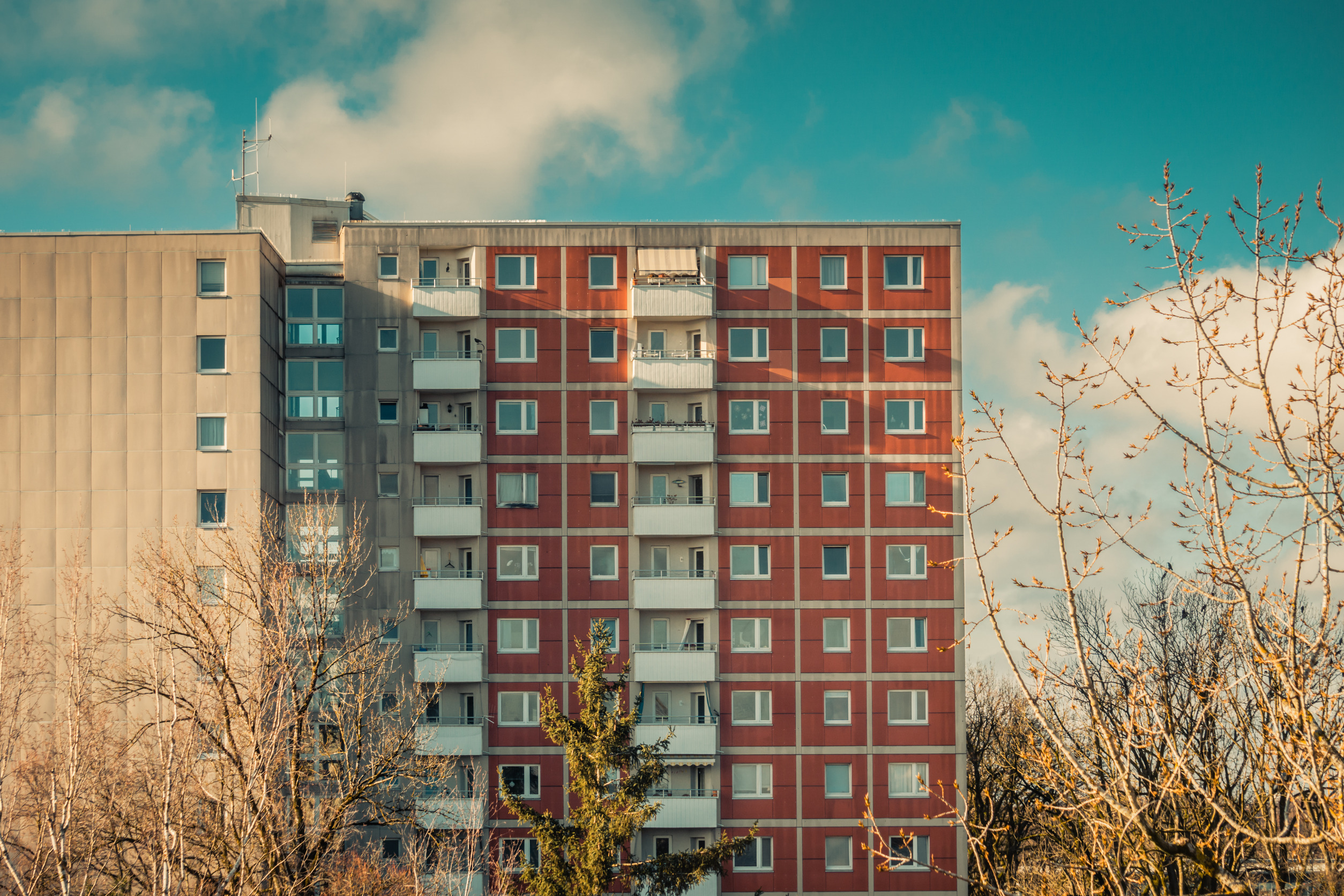
The Industriegewerkschaft Bauen-Agrar-Umwelt (IG BAU) warns of a new danger from asbestos in buildings. With the imminent major renovation wave for modernization, conversions and energy saving, an “asbestos wave” threatens to hit the construction industry in the coming decades. Construction workers and DIY enthusiasts will be exposed to major health risks if they inhale the asbestos fibers that are released.
Fluorescent tubes (T8 and T5) – ban
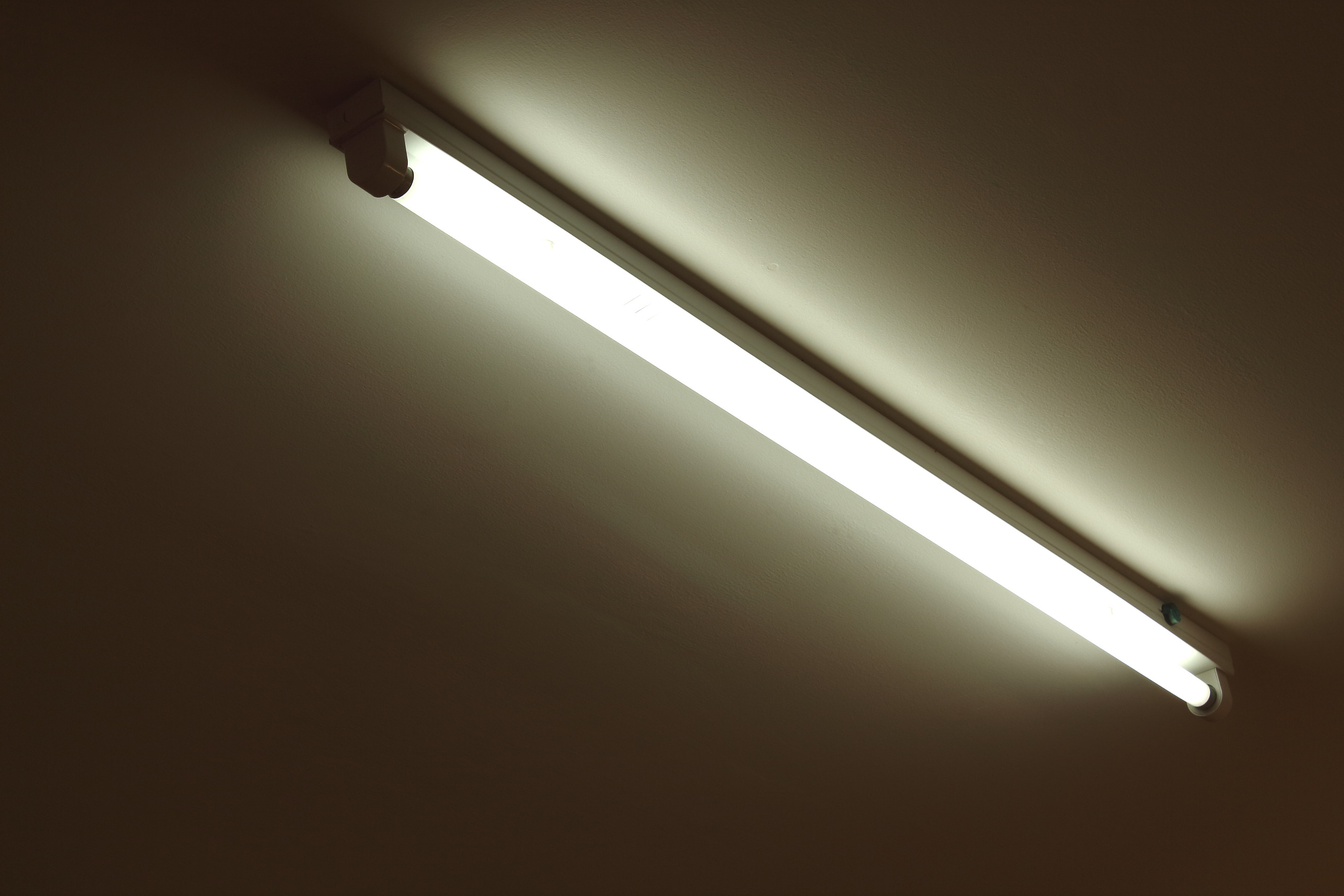
From August 2023, retailers in the EU will only be allowed to sell remaining stocks of conventional T5 and T8 fluorescent tubes. After that, these can only be purchased as LED tubes. This is intended to further reduce the mercury contained in the old tubes and promote the use of environmentally friendly LED lamps.
Release of asbestos fibers from fiber cement boards
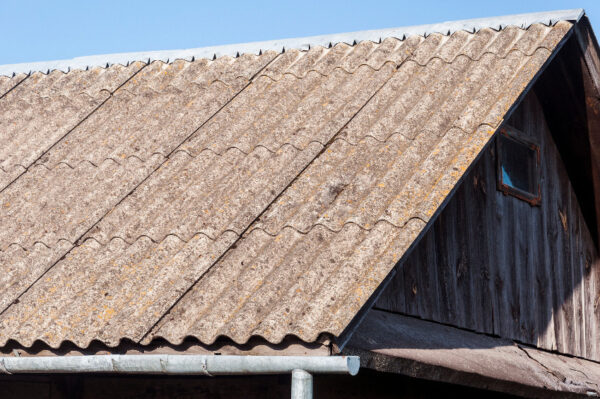
Fiber cement boards that are traded and installed today are generally considered to be harmless to health, as they are made of modern substitute materials and are free of carcinogenic asbestos fibers. However, for houses built from the mid-1960s to the 1990s, it is often suspected that the fiber cement panels installed still contain the asbestos fibers that were previously mixed in and are harmful to health. These can be released with increasing weathering during renovation or refurbishment.
POP limit values new in EU-Regulation

In order to better protect human health and the environment from damage caused by long-term and persistent organic pollutants (POPs), a new EU-Regulation was adopted on December 29, 2022, which came into force on June 10, 2023. It introduces limit values for some persistent organic chemicals (POPs) for the first time and tightens them for certain pollutants.
Harmful asbestos in serpentinite rock

Serpentinite, a dark greenish natural stone with characteristic spots and whitish bands, is mainly used as a decorative stone. Serpentinite is still used today for flooring, cladding and other decorative products. However, serpentinite can release harmful asbestos fibers under certain conditions. These dangers exist above all when serpentinite is worked or broken .